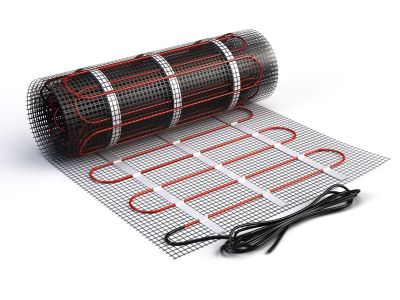
Electric underfloor heating uses electric cables or mats installed beneath the floor surface to generate heat. These systems work by converting electricity into heat, which is then evenly distributed across the floor, providing warmth.
When choosing an underfloor heating (UFH) system, weighing the benefits and drawbacks of electric and warm-water (hydronic) underfloor heating is an important step in the process. While electric UFH offers a lower upfront cost and is well-suited for smaller spaces like bathrooms, it comes with several disadvantages, including higher running costs, lower energy efficiency and limited suitability for whole-home heating. In contrast, hydronic UFH systems provide superior heat retention, cost-effectiveness, and environmental benefits, making them the preferred choice for long-term home heating solutions.
Advantages of Electric UFH:
- Lower Installation Costs: Electric systems are generally more affordable to install compared to hydronic (water-based) systems. They can be sourced and installed by professional companies or purchased directly from local DIY retailers.
- Suitability for Small Areas: They are particularly appropriate for smaller spaces up to 10 square meters, such as en suites or bathrooms, where they can serve as an efficient heating solution.
Disadvantages of Electric UFH:
- Floor height build-up: Electric heating mats increase the height of the floor, causing additional work when installing the UFH system in terms of altering skirting and door heights.
- Higher Running Costs: Despite the lower initial installation expense, electric UFH systems can lead to higher energy bills over time. The cost to heat the same space to the same temperature using electric UFH can be at least three times that of a water-based system paired with a gas boiler.
- Less Energy Efficient: Electric systems convert almost all their energy into heat, but because electricity itself is expensive and often comes from less efficient power generation sources, hydronic systems are typically more cost-effective in the long run.
- Limited Suitability for Whole-Home Heating: Electric underfloor heating is best suited for small areas like bathrooms or kitchens rather than entire homes. Hydronic systems are more effective for large-scale heating due to their ability to maintain warmth more efficiently.
- Slower Heat Distribution and Retention: Warm-water systems distribute heat more evenly and retain warmth for longer, while electric systems tend to cool down quickly once switched off.
- Higher Risk of Overheating: Electric systems can cause localised overheating, which may damage flooring materials like wood or laminate if not properly controlled.
- Reliability Concerns: There have been reports of reliability issues with electric systems, often stemming from poor installation methods.
- Shorter Lifespan and Difficult Repairs: Electric heating mats or cables can degrade over time, and if a fault occurs, repairs can be costly and require lifting flooring. Warm-water systems, when properly maintained, typically last much longer.
The following breakdown explores the key advantages and disadvantages of electric UFH:
- Limited Application: Due to the higher operational costs, electric UFH is typically recommended only for smaller or more challenging areas rather than as a primary heating source for an entire house.
- Environmental Impact: Electricity generation, especially from non-renewable sources, can have a higher carbon footprint compared to gas or renewable heating sources like heat pumps, which are often used in hydronic systems.
For these reasons, warm-water underfloor heating is usually the better choice for long-term efficiency, cost-effectiveness, and whole-home heating.
Why choose in-ground, warm water UFH?
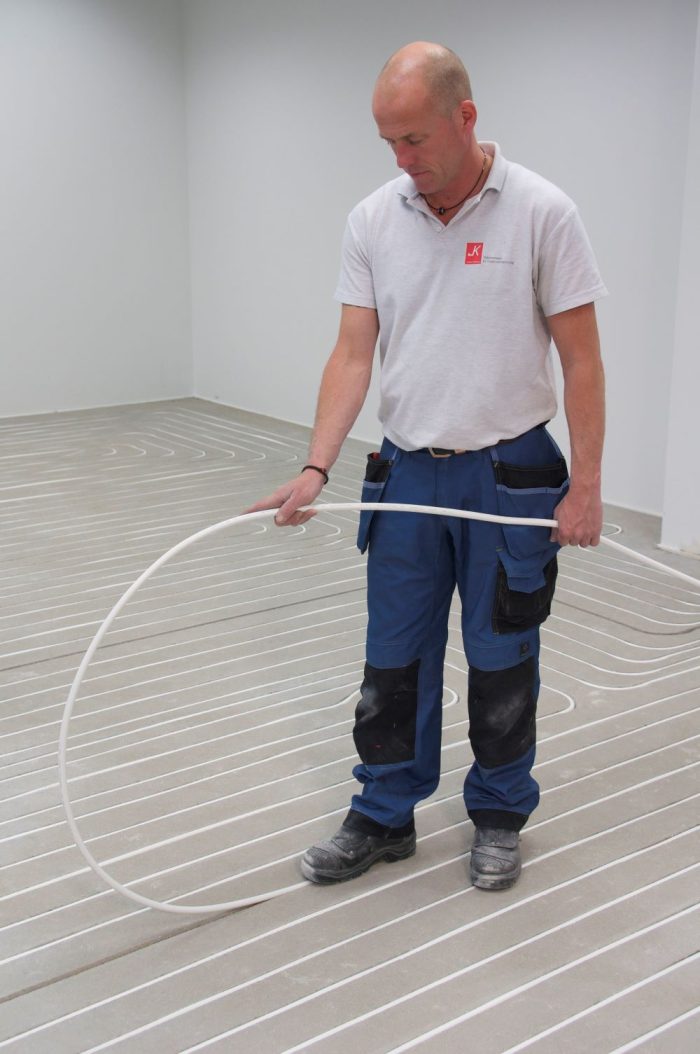
JK Floorheating specialises in in-ground, water-based underfloor heating systems, offering the benefit of lower long-term running expenses, enhanced energy efficiency (especially when paired with modern condensing boilers), fast installation with no floor-height build-up and compatibility with renewable technologies like ground or air source heat pumps.