
For centuries, wood has been a popular choice for floor finishes, offering a timeless appeal that suits both rustic and modern interiors. Beyond aesthetics, wood provides practical benefits, including insulation, durability, and the ability to retain ambient heat. When selecting the best wood flooring for underfloor heating, it’s essential to choose a type with a low RC value for efficient heat transfer. However, wood can be sensitive to moisture and scratches, so opting for the right species and finish ensures long-lasting performance suited to your lifestyle
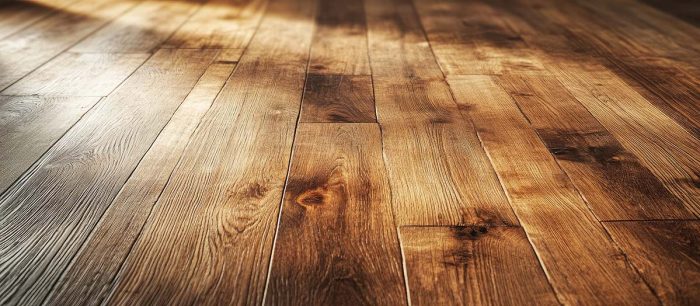
Dry construction or wet construction with a wooden floor?
When choosing a floor construction for wooden floors, preference is usually given to a dry construction screed. In the case of wet construction, a layer of sand cement or anhydrite (screed) is applied over the underfloor heating system, which results in a considerably higher weight. On the other hand, a dry construction screed has a lower weight, which is more favourable for the load-bearing capacity of the wooden beams.
Best wood flooring for underfloor heating?
Whether a particular type of wood is suitable for underfloor heating depends on its properties and sensitivity to heat. Some types of wood can expand, shrink or deform under the influence of temperature fluctuations. Wood species suitable for underfloor heating generally exhibit stability, effective thermal conductivity and strong resistance to temperature fluctuations and moisture. Below are some types of wood that are considered suitable choices for underfloor heating:
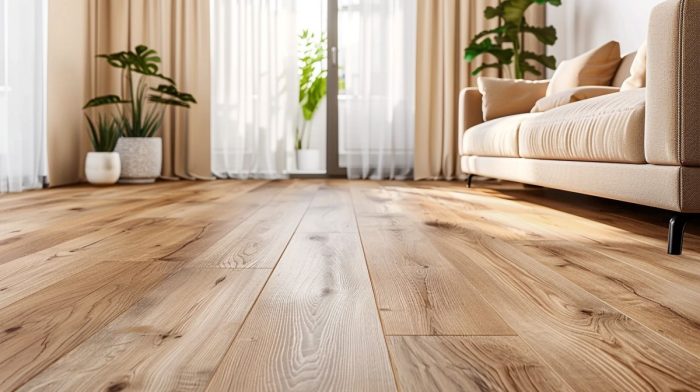
Oak wood: European oak wood is often considered a suitable choice because of its stability and durability. It has good thermal conductivity and generally responds well to the temperature changes of underfloor heating.
Maple wood: Maple is known for its hardness and stability, which makes it suitable for underfloor heating. It has a fine grain and can handle temperature fluctuations well.
Curry wood (American cherry wood): Curry wood has a warm appearance and can work well with underfloor heating systems due to its stability, strength and minimal deformation.
Walnut: Walnut can be used effectively with underfloor heating if installed properly. It usually has a low tendency to expand and contract.
Bamboo: While not technically wood, bamboo is also a popular flooring choice. It is a sustainable alternative that is a suitable choice for underfloor heating due to its high stability and low thermal expansion.
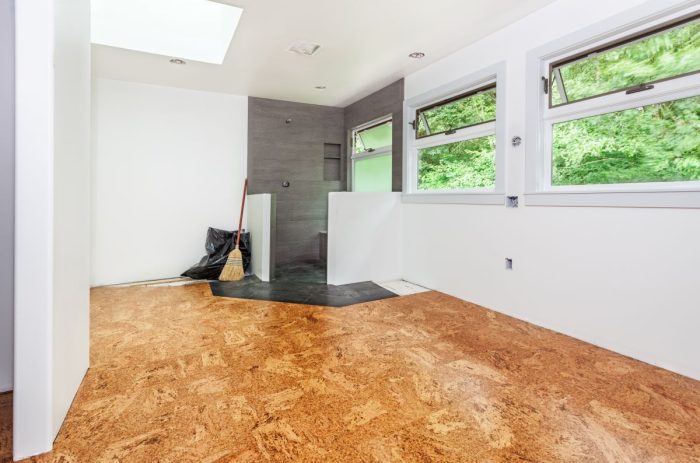
Cork: Cork wood is not often used, but it is an interesting option because this type of wood naturally conducts heat well and insulates well and can therefore be an efficient choice for underfloor heating.
Which types of wood are not suitable for underfloor heating?
The suitability of a specific kind of wood for underfloor heating depends mainly on the wood properties, but it can also depend on factors such as the thickness of the wood, the surface finish and the overall quality of the wood. When choosing wood for floors, it is important to take into account the recommendations of manufacturers and experts in the field of wood and underfloor heating, as well as the environmental conditions in which the floor will be installed. Here are some types of wood that are generally less suitable for underfloor heating:
Solid wood: Woods such as oak and maple are known to be sensitive to temperature fluctuations and moisture, which can lead to warping, cracking and splitting when exposed to the constant heat of underfloor heating.
High-density exotic wood: Woods such as teak and jatoba (Brazilian cherry wood) have a high density and are difficult to respond to temperature changes, making them susceptible to cracking and warping.
Soft wood: Also softer woods such as pine and spruce are generally less suitable because they can deform faster and be damaged by the heat from underfloor heating.
In addition, it is also good to pay attention to wood types that have been treated with natural oils and finishes. These can also expand due to the treatments and therefore show cracks. Regardless of the type of wood you choose, it is crucial to carefully follow the manufacturer’s recommendations and installation instructions.
If you are still in doubt or if you need expert advice, do not hesitate to contact us. Our team is ready to answer any questions you may have.
Up next: Tiled floor finishes